Have you noticed rusty-colored water coming from the faucet or your water pressure suddenly dropping? While these problems may seem like small inconveniences at first, they can sometimes point to aging plumbing pipes hidden behind walls, under floors, or beneath your property.
In some situations, a simple plumbing repair may be enough to restore your system. However, there comes a point when replacing old pipes may be the more reliable and cost-effective solution. Knowing when to repair and when to repipe can help homeowners avoid recurring plumbing problems, unexpected water damage, and expensive emergency repairs.
Mike Williams Plumbing, Heating, Air Conditioning and Sewer helps homeowners identify plumbing problems and determine whether pipe repair or repiping services are necessary. With professional inspections and experienced recommendations, homeowners can better protect their property, water quality, and plumbing performance for years to come.
Common Signs Your Plumbing Pipes May Need Replacement
Many plumbing pipes are designed to last for decades, but no piping material lasts forever. As pipes age, they often begin developing problems that can only be resolved with a pipe replacement. Recognizing these signs early can help prevent expensive damage to your property and home.
Discolored or Rusty Water
One of the most noticeable indicators of deteriorating plumbing pipes is rusty or brown-colored water coming from faucets. This issue is especially common in older galvanized steel pipes that corrode internally over time.
If discoloration only appears when hot water is running, the issue may involve the water heater. However, if rusty water occurs throughout the home, aging pipes may be to blame.
Rust buildup inside pipes can contaminate water and reduce the overall quality of your household water supply, so be sure to hire a plumber as soon as possible to address this problem.
Frequent Leaks
A single plumbing leak may not always indicate a major problem. Pipes can occasionally develop isolated issues that are easily repaired. However, if leaks continue occurring in multiple areas of the home, it may signal widespread pipe deterioration.
Recurring leaks often mean the pipe material is weakening due to age, corrosion, or mineral buildup. Continuously patching leaks can become costly and frustrating over time, making full or partial repiping a smarter long-term investment.
Low Water Pressure
Sudden or gradually decreasing water pressure is another common sign of aging plumbing pipes. Corrosion, sediment accumulation, and mineral deposits can restrict water flow inside pipes, making it harder for water to travel efficiently through the system.
If cleaning aerators or repairing fixtures does not resolve the issue, deteriorating pipes may be the underlying cause.
Strange Noises in the Pipes
Banging, rattling, whistling, or gurgling sounds coming from plumbing pipes should never be ignored. While some noises may result from water pressure changes or loose fittings, older pipes can also produce unusual sounds as corrosion and wear worsen.
These noises may indicate restricted water flow, trapped air, or weakened pipe connections that could eventually lead to leaks or bursts.
Visible Corrosion or Damage
Exposed pipes in basements, crawl spaces, utility rooms, or under sinks can reveal signs of deterioration. Homeowners should look for:
- Rust or discoloration
- Flaking metal
- Green or white residue
- Dents or cracks
- Moisture buildup around pipe joints
Water Stains or Mold Growth
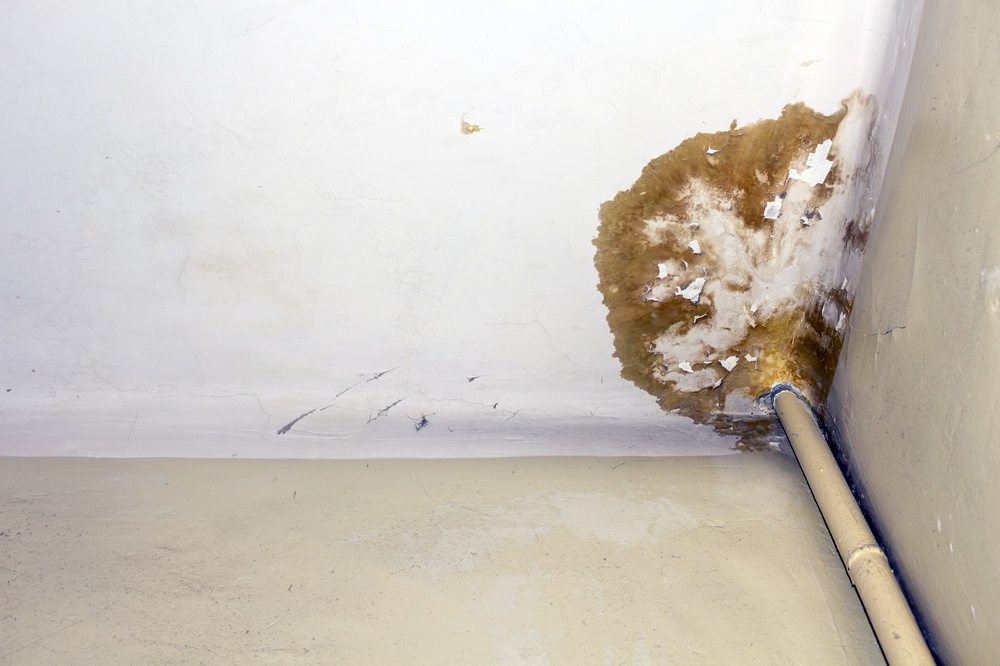
Hidden pipe leaks can cause water stains on ceilings, walls, or floors. In some cases, homeowners may notice peeling paint, warped flooring, or musty odors caused by excess moisture.
Persistent leaks behind walls can create ideal conditions for mold growth, which may affect indoor air quality and lead to expensive structural repairs if left untreated.
Old Pipe Materials
The age and material of your plumbing system can also determine whether pipe replacement is necessary. Certain older pipe materials are more prone to corrosion and failure than modern alternatives.
Older homes may still contain:
- Galvanized steel pipes
- Polybutylene pipes
- Lead pipes
If your home still relies on outdated plumbing materials, scheduling a professional inspection can help determine the condition of the system and whether replacement is recommended.
What Causes Plumbing Pipes to Deteriorate Over Time?
Several factors contribute to pipe deterioration, and understanding these causes can help homeowners better maintain their plumbing systems.
Corrosion
Corrosion is one of the leading causes of pipe failure, especially in older metal piping systems. Over time, water and oxygen react with metal pipes, causing rust and internal deterioration. As corrosion worsens, pipes become weaker and more vulnerable to leaks, cracks, and reduced water flow.
Mineral Buildup
Homes with hard water often experience mineral accumulation inside plumbing pipes. The resulting calcium and magnesium deposits gradually narrow the pipe interior, restricting water flow and increasing pressure within the system. This buildup also places additional strain on pipes, increasing the likelihood of leaks and damage over time.
Age and Everyday Wear
Even the most durable plumbing materials eventually wear out. Pipes constantly expand and contract due to temperature changes and water usage, and with enough time, this deteriorates pipe joints, fittings, and pipe walls.
If your pipes fall into the expected lifespan for the plumbing material, it’s time to consider a pipe replacement (even if problems haven’t been extensive — it’s just a matter of time):
- Copper pipes: 50+ years
- Brass pipes: 40-70 years
- Galvanized steel pipes: 20-50 years
- Polybutylene pipes: 10-15 years
Tree Root Intrusion
Underground sewer and water lines can also deteriorate due to tree root intrusion. Tree roots naturally seek moisture and may grow into tiny cracks or pipe joints beneath the property.
As roots continue expanding, they can block water flow, crack pipes, and create severe plumbing backups. Sewer line damage caused by tree roots often requires professional pipe replacement or trenchless sewer repair solutions.
Soil Shifting and Ground Movement
Heavy rainfall, drought conditions, freezing temperatures, and natural settling can all shift the ground beneath a property and place stress on underground pipes. Over time, this movement may cause underground pipes to crack, separate, or collapse.
Poor Installation or Previous Repairs
Improperly installed plumbing systems may deteriorate faster than professionally installed pipes. Poor pipe connections, incorrect pipe sizing, or low-quality materials can contribute to premature failures.
Additionally, repeated DIY repairs may weaken plumbing systems over time, eventually making replacement the better option.
Protect Your Home With Professional Pipe Replacement Services
While plumbing pipes are designed to last for many years, no system lasts forever. Delaying necessary pipe replacements can lead to more extensive water damage, recurring leaks, poor water quality, and costly repairs throughout the home.
If you have concerns about aging pipes, recurring plumbing problems, or declining water pressure, professional inspections can help identify the condition of your plumbing system before major issues develop. Mike Williams Plumbing, Heating, Air Conditioning and Sewer provides professional inspections and expert recommendations tailored to each home’s plumbing needs.
Call our experienced team today to learn more about our water line and sewer line services in Springfield, Bloomington, and Champaign, IL. We’ll help protect your plumbing system and restore reliable water flow throughout your home.